


Gwangjang Market is one of the most iconic traditional markets in Seoul. It is best known for its lively food alleys, dense market atmosphere, and the way shopping and eating come together in one place. If you want to experience a market that feels active, historic, and full of local energy, this is one of the best places to visit.
What makes the visit memorable is not only the food. The feeling of the market itself is a big part of the experience. Long rows of stalls, narrow passages, busy counters, and a constant flow of people give the area a strong sense of movement from the moment you arrive.

Why this market feels so distinctive
This market stands out because it has a strong historical identity. Official tourism information introduces it as Korea’s first permanent market, and that background gives the space much more character than a newer retail district. Even with changing trends, it still feels rooted in older forms of city life.
It also feels layered rather than single-purpose. Some visitors come mainly for the food alleys, while others focus on fabrics, bedding, hanbok, or household goods. That mix makes the visit feel broader than a street built around only one attraction.
What to notice first when you arrive
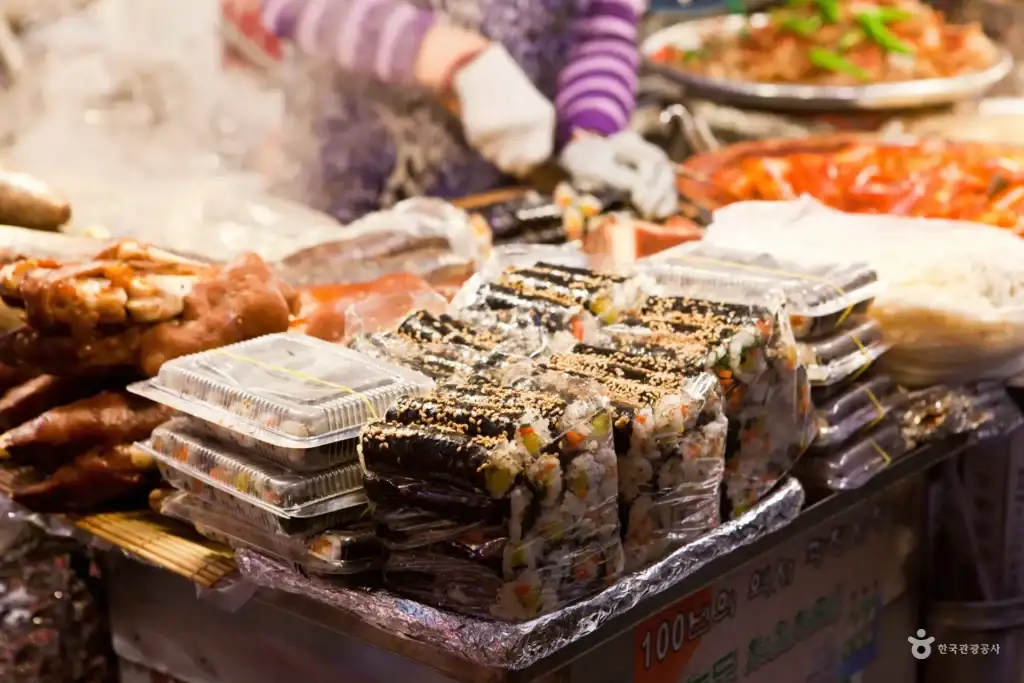
The first thing to notice is the density of the space. This is not a market that opens in one grand view. It works through narrow lanes, closely packed stalls, and the rhythm of people moving through them. That compact structure is part of what gives the place its energy.
The second thing to notice is the contrast between sections. Some areas feel strongly food-centered, while others feel more like a traditional shopping market. Moving between those zones makes the walk feel more varied and much more interesting.
How to enjoy it more naturally
The best way to enjoy the area is to allow time for both walking and stopping. A quick pass through the main aisle gives only a partial impression. The visit becomes much more rewarding when you slow down, watch how the market moves, and let the atmosphere build.
It also helps to think of the market as more than a meal stop. Even if food is the main draw, the surrounding stalls and older commercial mood are part of what make the place memorable. A balanced visit usually feels better than rushing straight in and out.

Why it stays memorable
Many city markets are remembered for one dish or one photo. This one tends to stay in memory because the whole environment leaves an impression. The sound, the crowd, the visual density, and the old market structure all work together.
It also remains memorable because it feels very connected to everyday Seoul. The market is popular with visitors, but it still carries the mood of a working traditional market rather than a place designed only for tourism.
Useful information before you go
Gwangjang Market is located at 88 Changgyeonggung-ro, Jongno-gu, Seoul. Official tourism information lists general market hours as 09:00 to 18:00 and the food street as 09:00 to 23:00. The main market is closed on Sundays, while the food street remains open all year round. More details can be checked on the official tourism guide.
Because this is a traditional market rather than one single venue, individual stalls may vary in pace and rhythm. If you are visiting during a busy period, giving yourself extra time usually makes the experience much more enjoyable.

Closing thoughts
Gwangjang Market is one of the easiest places in Seoul to feel the energy of a traditional market in a direct and memorable way. It combines food, shopping, and atmosphere without feeling overly polished or staged.
If you want a Seoul stop that feels lively, historic, and full of local character, this is a very strong addition to your route.

Leave a Reply
You must be logged in to post a comment.