


Hahoe Byeolsingut Mask Dance is a traditional mask performance that represents Hahoe Village in Andong. The Cultural Heritage Portal lists this performance as a National Intangible Cultural Heritage. It originally formed part of a ritual praying for the village’s peace and a good harvest. It is said to have been held every ten years in Hahoe Village for about 500 years.
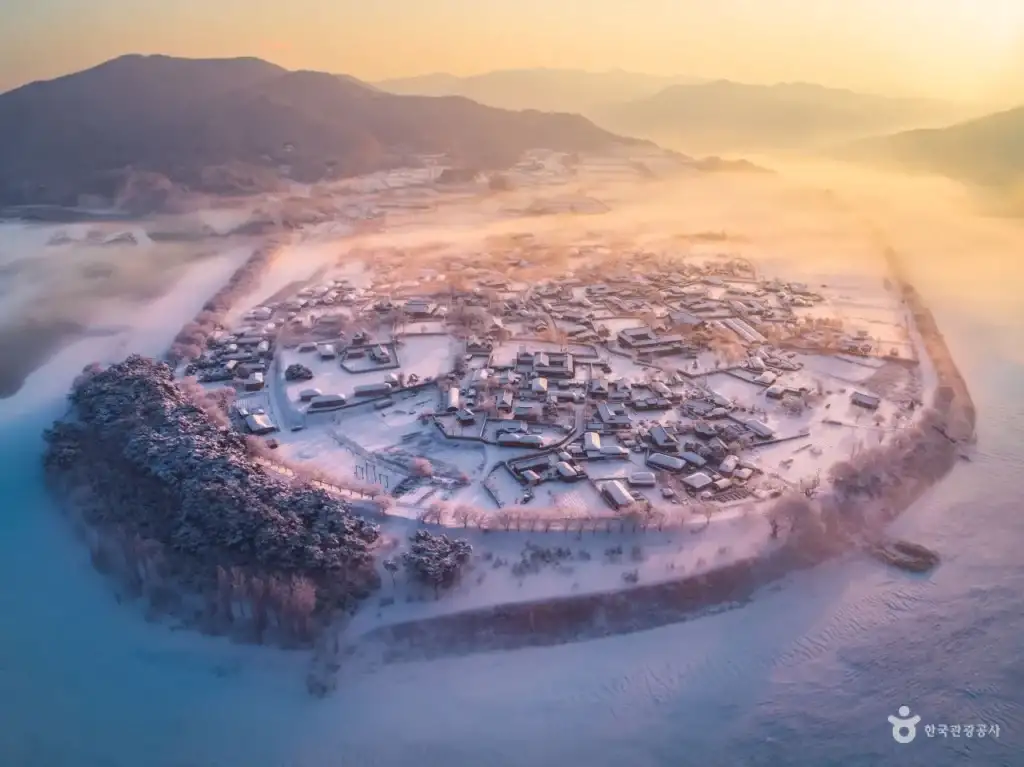
This performance is especially meaningful because it is closely tied to Hahoe Village itself. The village, surrounded by the Nakdong River and known for preserving Joseon-era Confucian traditions, is listed as a UNESCO World Heritage site. Hahoe Byeolsingut Mask Dance has been passed down within the life and community of this very village.
Why It Feels More Alive in Hahoe Village
Viewed on stage alone, Hahoe Byeolsingut Mask Dance is an entertaining traditional performance. But when seen in Hahoe Village, it feels completely different. The village alleys, thatched houses, tiled roofs, Nakdong River scenery, and Buyongdae cliff all come together in your imagination.
This is why it differs from a typical traditional performance. It is not just a staged show, but a cultural expression shaped by the history, community, and traditions of Hahoe Village. Walking through the village before watching the performance makes the humor and gestures feel more vivid and meaningful.
A Performance Full of Humor and Satire
Hahoe Byeolsingut Mask Dance is known for its strong humor and satire. According to tourism sources and UNESCO descriptions, mask dance combines song, dance, dialogue, and movement. This performance especially satirizes the hypocrisy of aristocrats, corruption among monks, and the emotions and struggles of common people.
This makes it more than just a traditional dance. It may appear light and humorous, but it contains a critical perspective on society. By twisting authority and exposing human desires and weaknesses, it creates a shared sense of laughter. That is why it still feels relatable and lively even today.

Why the Masks Leave a Strong Impression
The masks themselves are an essential part of the experience. According to the Cultural Heritage Portal, there are 10 types and 11 masks used in the performance. The Hahoe masks and Byeongsan masks are designated national treasures and are among the oldest traditional masks in Korea.
These masks have very expressive faces—sometimes humorous, sometimes sharp. Watching the performance while paying attention to the expressions and characters makes it much more engaging. Each role is clearly defined, making it easy to follow even for first-time viewers.
Why It Works Best with a Hahoe Village Visit
After exploring Hahoe Village, watching the mask dance gives a new perspective on the place. The alleys and houses are no longer just historical scenery, but part of a living cultural space where rituals and performances once took place. Watching the performance first also helps connect the characters and stories when walking through the village.
Hahoe Village is still inhabited today. Its value as a World Heritage site, traditional houses, and living intangible culture all overlap here. This combination is what makes the experience unique to Andong.
What Makes It More Enjoyable in Person
It is best to enjoy Hahoe Byeolsingut Mask Dance without overthinking it. Focus on the expressions and movements of each scene. UNESCO describes mask dance as a performance that can take place anywhere without elaborate stage settings. The emphasis is on the actors’ movements, music, and masks.
Another key point is the closeness between performers and audience. Traditionally, it was a communal event shared with villagers. Even today, the performance feels lively and engaging rather than distant, making it feel like a living folk theater rather than a static cultural display.
Visitor Information
According to official tourism information, regular performances are held at the Hahoe Mask Dance Theater. The performance lasts about 60 minutes. However, schedules may vary depending on the season, so it is best to check updated information before visiting.
If visiting together with Hahoe Village, it is recommended to plan enough time for both. Rather than just watching the performance, combining it with a walk through the village and a visit to Buyongdae creates a much richer experience.
Conclusion
Hahoe Byeolsingut Mask Dance is one of the most representative traditional performances in Andong. Its true appeal becomes clearer when experienced together with Hahoe Village. History, community life, expressive masks, and humor all come together in one experience.
If you want to go beyond simply seeing something “traditional” and instead experience living Korean folk culture, laughter, and village atmosphere, this is an excellent choice. Walking through Hahoe Village and watching the performance together makes the Andong trip much more memorable.

Leave a Reply
You must be logged in to post a comment.