


The Jeonju Traditional Liquor Museum is a place where you can experience Korean traditional liquor culture inside Jeonju Hanok Village. It is located at 74 Hanji-gil, Wansan-gu, Jeonju. According to the Korea Tourism Organization, this museum offers exhibitions, hands-on experiences, and educational programs related to traditional liquor.
This is not just a place that displays alcohol. According to Jeonju tourism information, it opened in 2002 to revive the tradition of homemade Korean liquor (gayangju), which had disappeared, and to reinterpret it in a modern context. For this reason, the Jeonju Traditional Liquor Museum is a great place to understand both traditional culture and daily life culture during a Jeonju trip.
Why It Stands Out in Hanok Village
Jeonju Hanok Village is filled with traditional houses, historic architecture, and local food. What makes this museum stand out is its clear theme. It focuses on Korean traditional liquor, especially the culture of homemade liquor that was once brewed in households. Jeonju tourism information explains that the museum continues this tradition through research, lectures, and experience programs.
Another advantage is its atmosphere. The museum is located within the hanok village, so the traditional ambiance naturally continues even before entering. Experiencing traditional liquor within a traditional architectural setting is a unique charm of this place.
What to See First
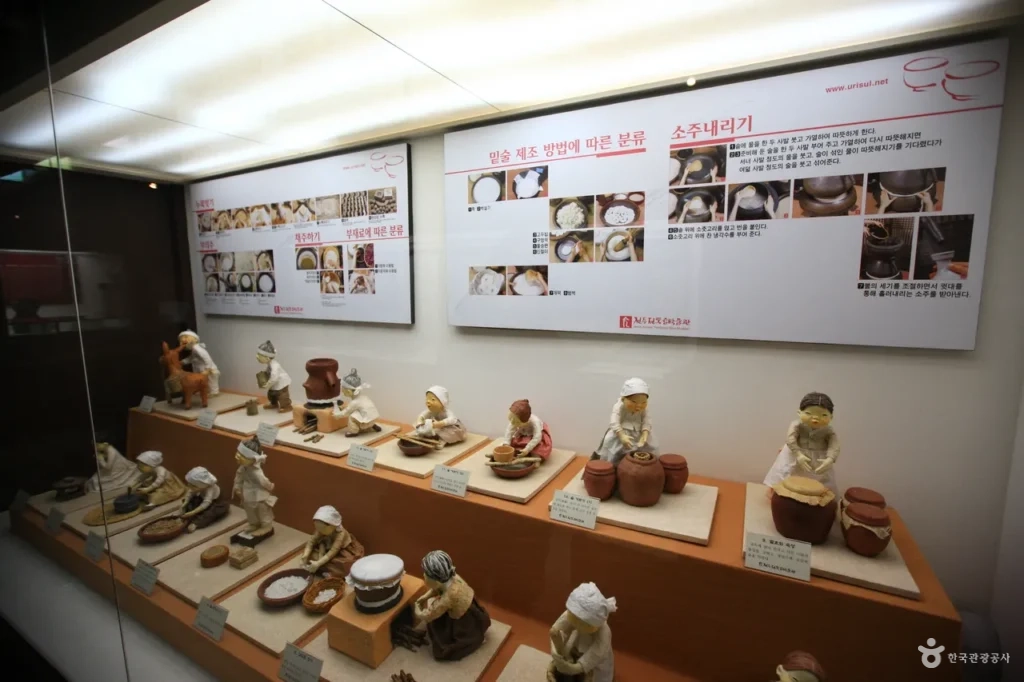
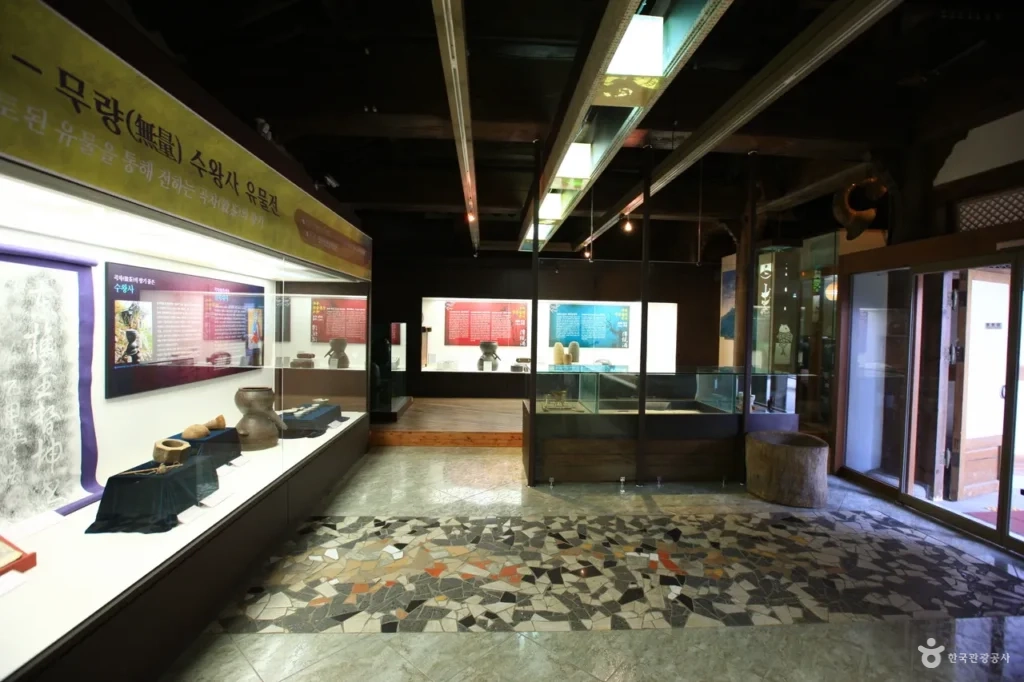
The first thing to notice is the direction of the exhibition. Rather than simply displaying bottles, the museum focuses on explaining why traditional gayangju culture disappeared and how it is being revived today. According to Jeonju tourism information, this tradition was interrupted during the Japanese colonial period due to liquor tax laws, and the museum plays a role in restoring it.
The second highlight is hands-on experience and education. According to the Korea Tourism Organization, the museum offers various programs and events that visitors can actively participate in. Educational programs for those interested in traditional liquor are also regularly held, making this more of a living cultural space than a static museum.
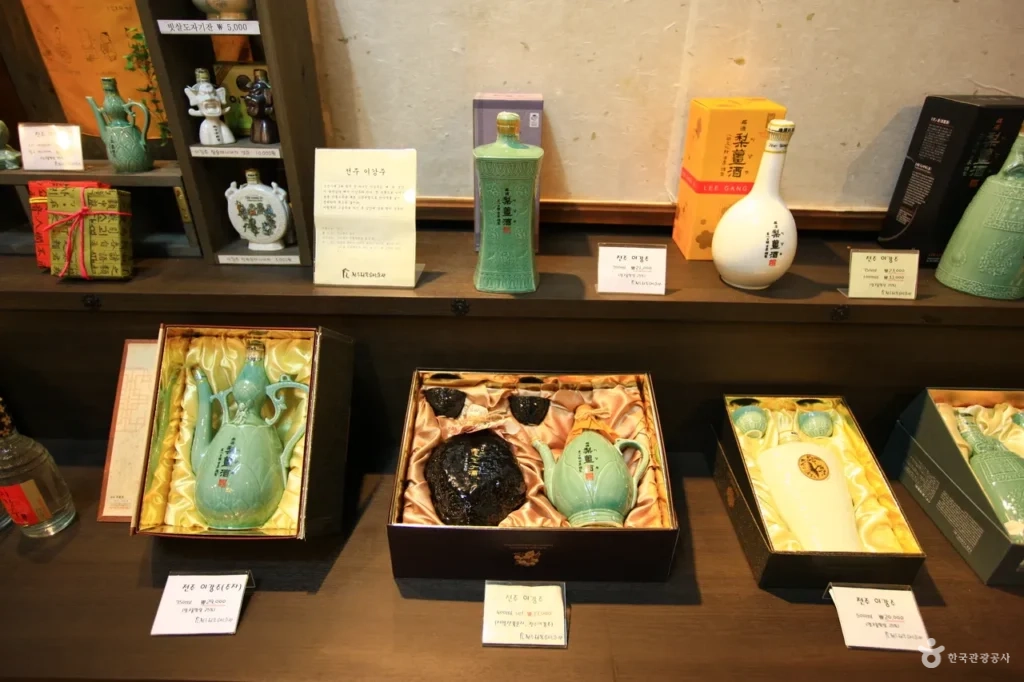
The third highlight is its connection to local culture. The museum also sells local traditional liquors, linking historical traditions with present-day Jeonju culture. This makes it more than just an exhibition space—it connects past and present naturally.
A Closer Way to Experience Traditional Culture
This is not a flashy attraction. Instead, it allows you to take a closer look at Korean traditional culture. Since traditional liquor is connected to daily life, rituals, and hospitality, visiting this museum often gives a clearer understanding of Korean lifestyle culture beyond just alcohol itself.
It is also a great stop while exploring Jeonju Hanok Village. Adding traditional liquor culture to your visit enriches the experience beyond architecture and food, helping you understand Jeonju in a more complete way.

How to Include It in Your Jeonju Itinerary
The easiest way is to include the museum within your Hanok Village walking route. A natural flow would be Gyeonggijeon Shrine → Jeondong Cathedral → Traditional Liquor Museum → Nambu Market. Since the museum does not require much time, it fits well into a cultural and local experience itinerary.
It also pairs well with Jeonju food experiences. After learning about traditional liquor, moving on to local food areas like the market makes the connection between cuisine and culture more meaningful.
Visitor Information
According to the Korea Tourism Organization, opening hours are Tuesday to Sunday, 10:00–18:00, and until 20:00 from June to October. Closed on Mondays, January 1, and Seollal & Chuseok holidays. Admission is free. Contact: +82-63-287-6305.
Conclusion
The Jeonju Traditional Liquor Museum offers a unique cultural layer within Jeonju Hanok Village. It calmly presents the story of Korean traditional liquor among architecture, history, and food. If you want to explore Jeonju more deeply, it is definitely worth adding to your itinerary.
It shows that traditional culture is not limited to buildings and heritage sites, but also lives in everyday practices such as brewing, sharing, and hospitality. This makes your Jeonju trip more complete and immersive.

Leave a Reply
You must be logged in to post a comment.