

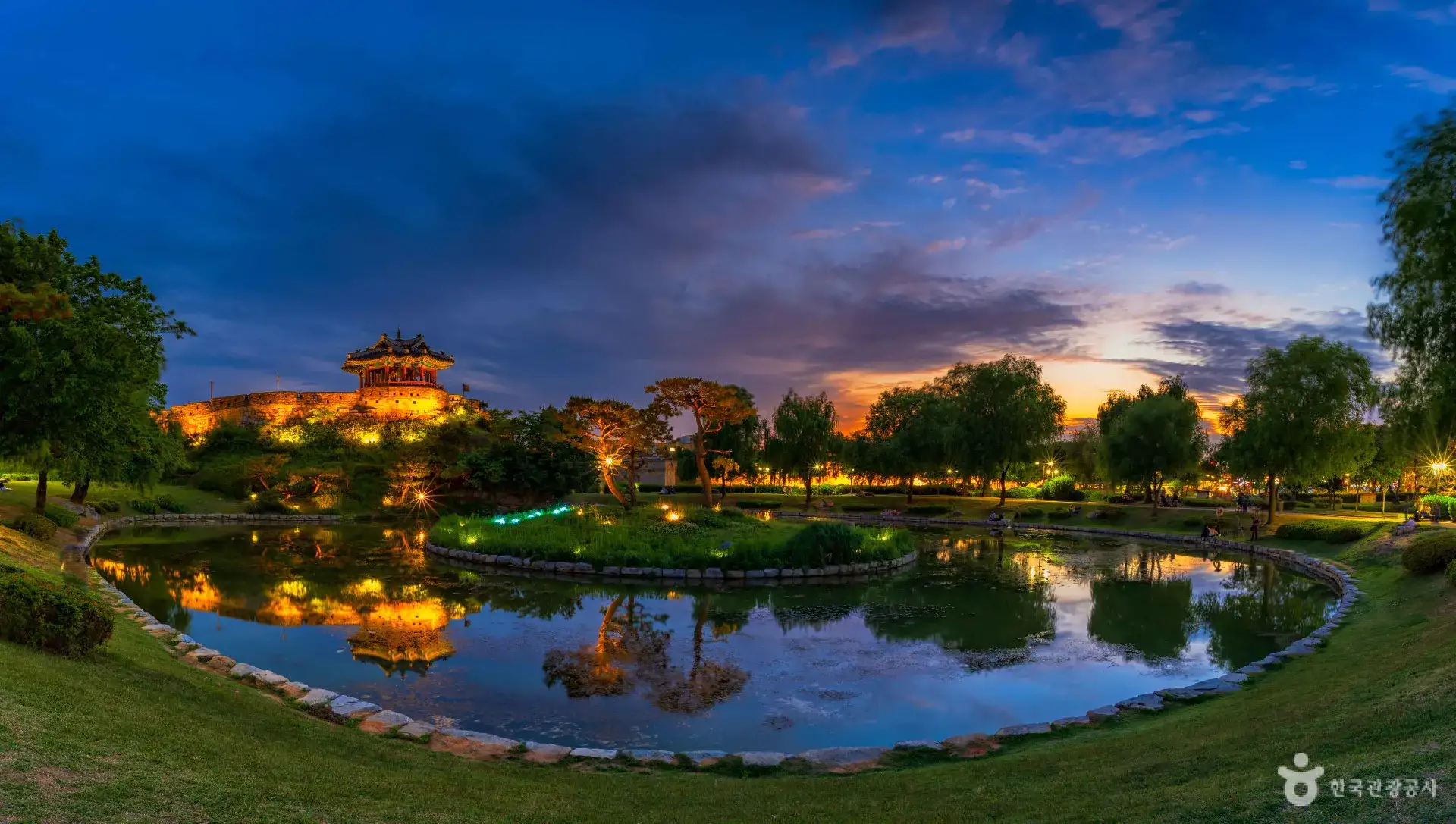
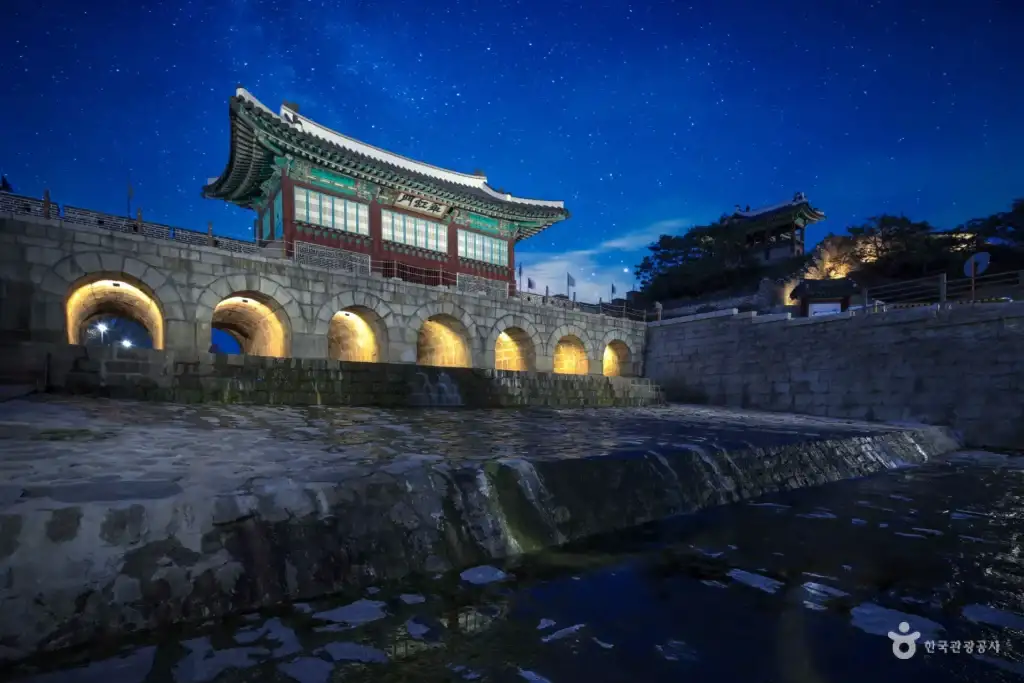
Suwon Hwaseong Fortress is one of the most rewarding historic walks near Seoul. Built in the late eighteenth century, it surrounds the old center of Suwon and still feels large, clear, and easy to experience on foot. If you want a destination that combines UNESCO heritage, city views, and a meaningful walking route, this is one of the strongest choices.
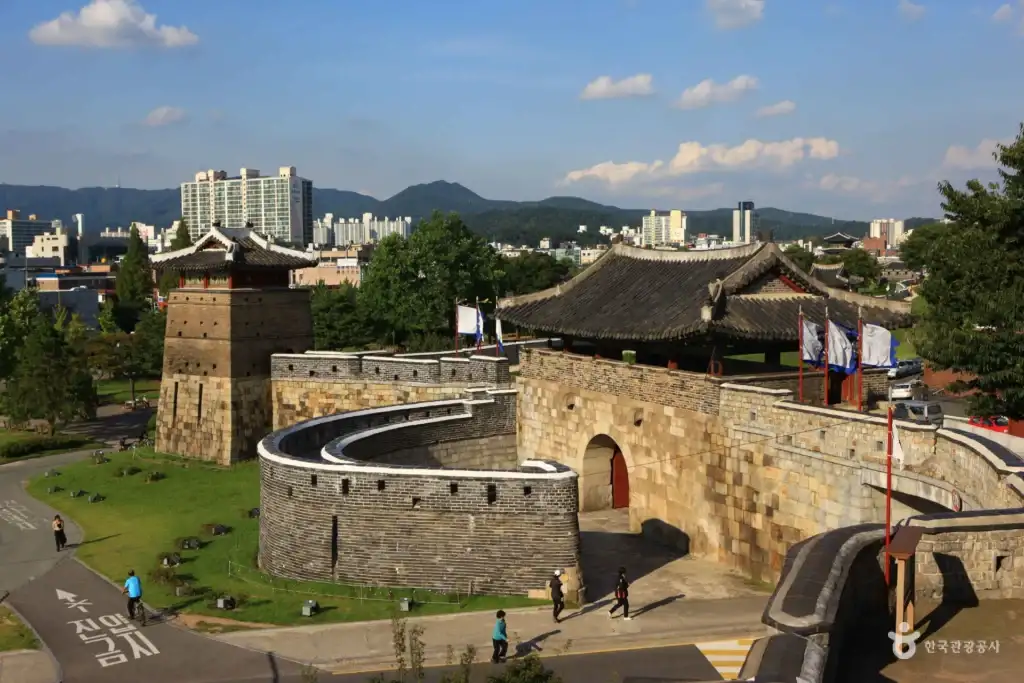
What makes the visit memorable is not only the wall itself. The experience builds through gates, pavilions, slopes, open viewpoints, and the way the fortress follows the shape of the land. Because of that, the site feels larger and more varied than a single monument.

Why this UNESCO site feels so distinctive
This fortress is important because it was planned as more than a defensive wall. It supported military, administrative, and symbolic functions at the same time. That larger purpose gives the site more depth than an ordinary city wall.
It also stands out because the design reflects practical innovation. The walls, gates, and command points are arranged to work with the terrain, which makes the walk visually dynamic and historically meaningful at the same time.
What to notice first on the route
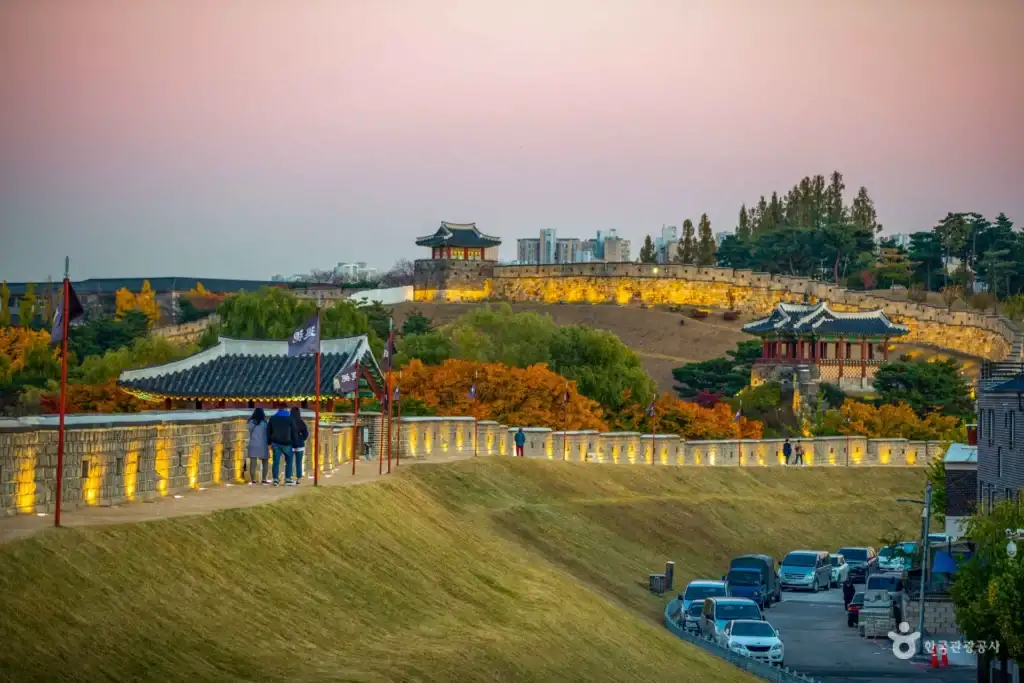
The first thing to notice is the scale of the wall. This is not a short decorative section. The fortress line continues across the city and hills, so even a partial walk gives a strong sense of distance and structure.
The second thing to notice is how often the view changes. Some parts feel close to the city, while others open toward hills and rooftops. That rhythm makes the walk satisfying even if you do not cover the full wall.
How to enjoy the visit more naturally
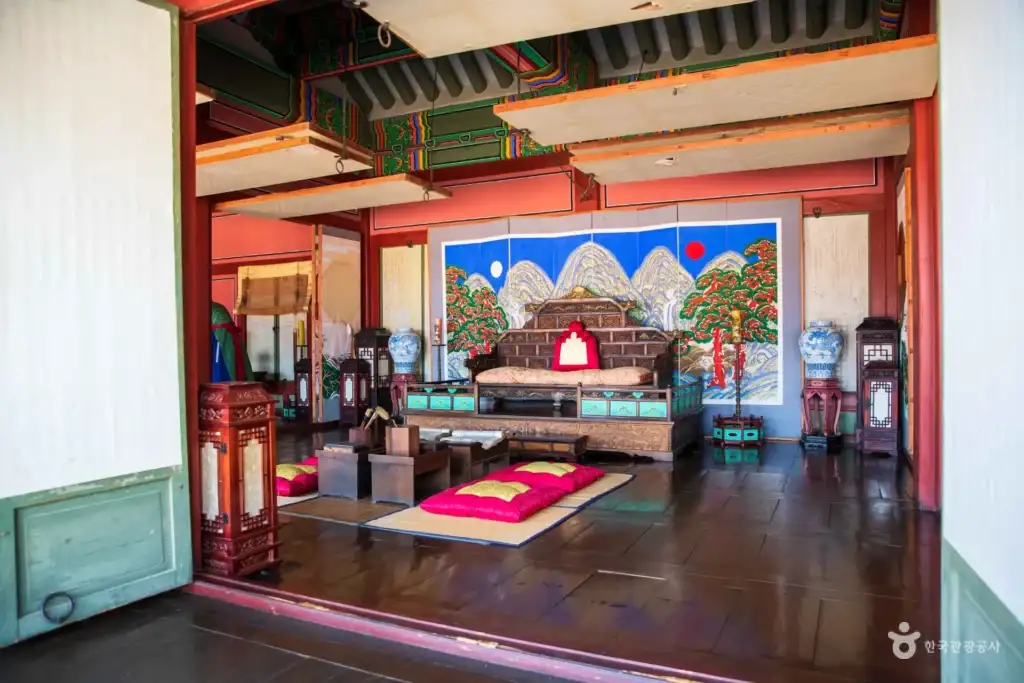
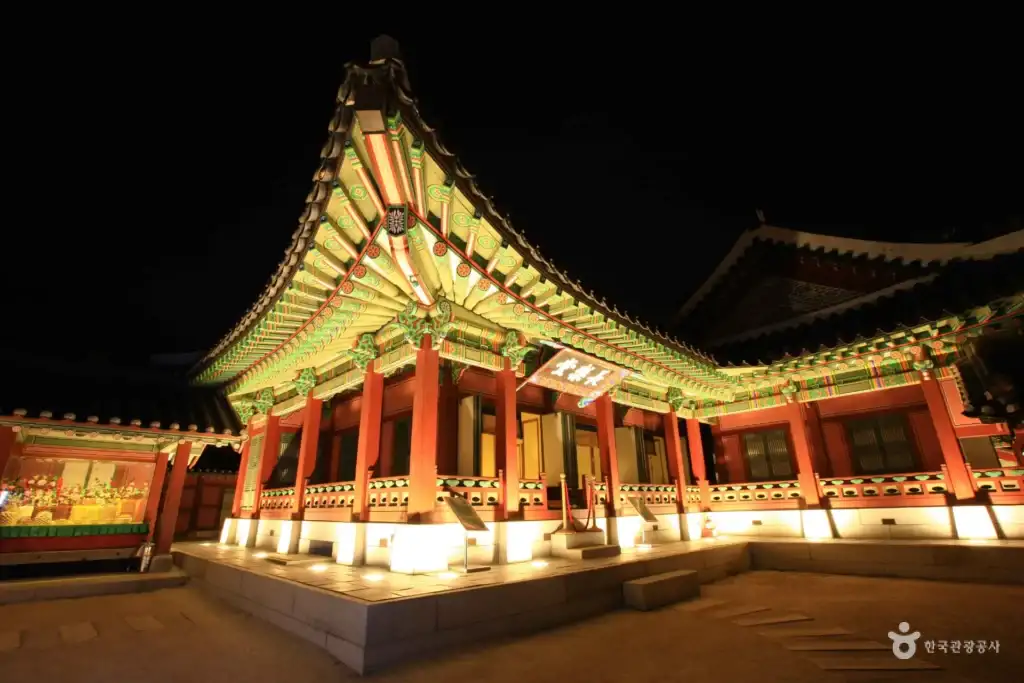
The best approach is to think of the fortress as a walking experience rather than a single photo stop. A slower route gives you time to notice gates, slopes, and viewpoints, which is where much of the character comes from.
If you are visiting for the first time, it is usually better to choose one representative section well instead of trying to cover everything at once. That keeps the visit balanced and makes the overall impression stronger.
Why it stays memorable
Many heritage sites are remembered for one building. Suwon Hwaseong Fortress tends to stay in memory because of the full route. The walls, gates, rises, and outlooks keep building the experience step by step.
It is also memorable because it feels both monumental and accessible. The history is significant, but the walk itself is still easy to understand. That makes it appealing for both first-time visitors and travelers who enjoy longer cultural walks.
Useful information before you go
Suwon Hwaseong Fortress is officially listed in Yeonghwa-dong, Jangan-gu, Suwon-si, Gyeonggi-do. Official tourism information describes the fortress grounds as open 24 hours, open all year round, with free admission. Current details can be checked on the official tourism guide.
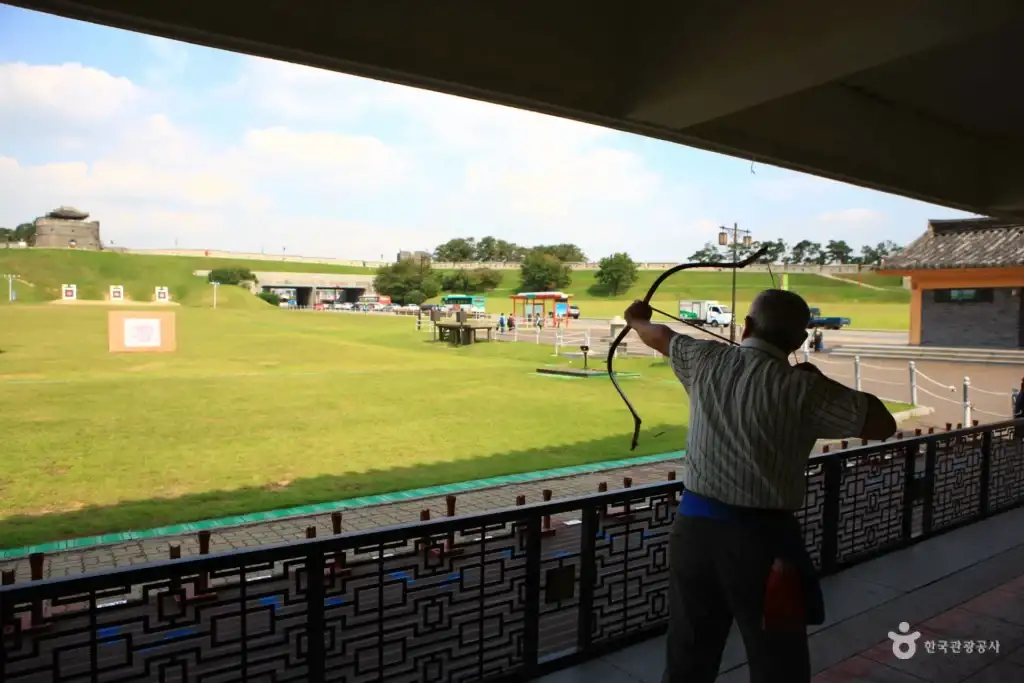
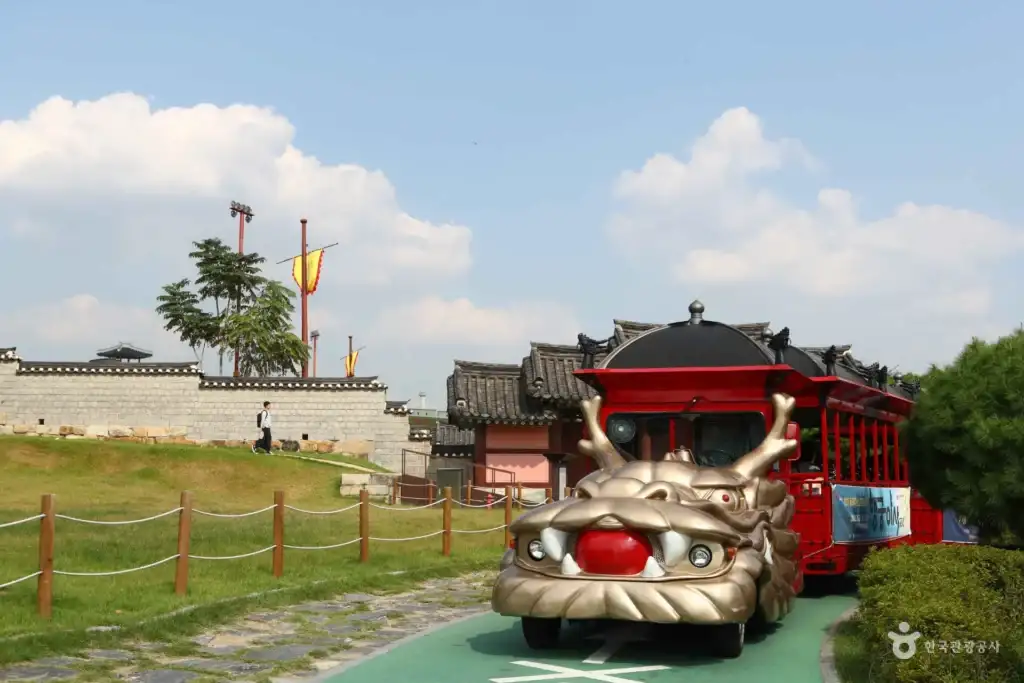
Some related facilities inside the wider heritage area may run on separate schedules. If you plan to include indoor spaces or special programs, it is worth checking their individual hours in advance.
Closing thoughts
Suwon Hwaseong Fortress is one of the most satisfying heritage routes near Seoul because it offers more than a quick landmark visit. It combines UNESCO-level history with a walk that feels active, scenic, and easy to follow.
If you want a destination where architecture, landscape, and historical meaning all come together, this is a very strong addition to your itinerary.

Leave a Reply
You must be logged in to post a comment.