

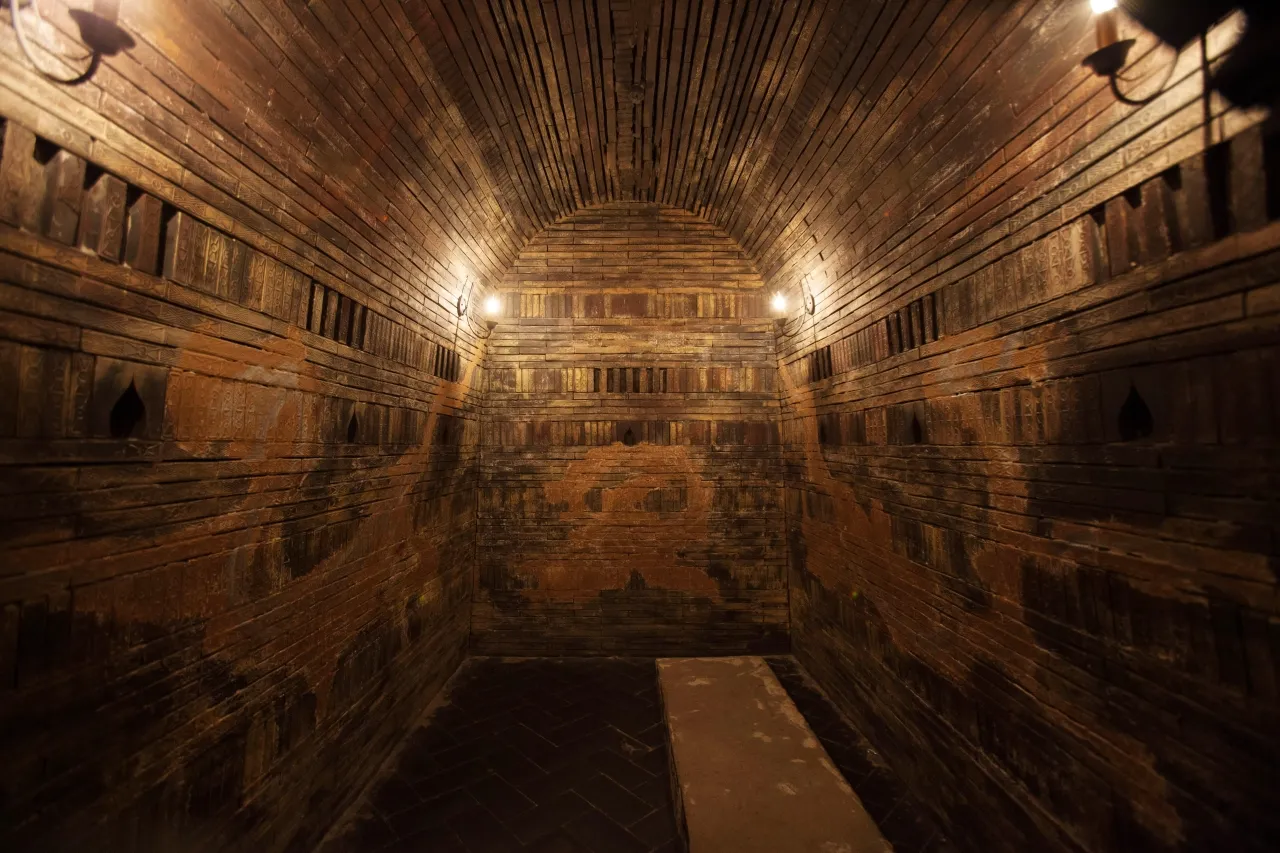
The Tomb of King Muryeong in Gongju is a representative heritage site where you can most clearly encounter the legacy of the Baekje royal family. If you are looking for a historical travel destination in Korea during your Gongju trip, this is a place worth recommending. Its quiet atmosphere allows you to experience both the passage of Baekje history and the value of a UNESCO World Heritage site.
The Tomb of King Muryeong is not just an ancient burial site. It is an important place that reveals Baekje royal culture, ancient East Asian exchanges, and the historical significance of Gongju. It may not be a flashy tourist attraction, but walking through it leaves a deeper and longer-lasting impression.
Why the Tomb of King Muryeong Is Special
The reason this site is highly valued is clear. It is known as the tomb of a Baekje king and queen, with a well-defined historical background. Among ancient Korean royal tombs, it holds strong symbolic meaning, making it an excellent place to introduce to international travelers interested in Korean history.
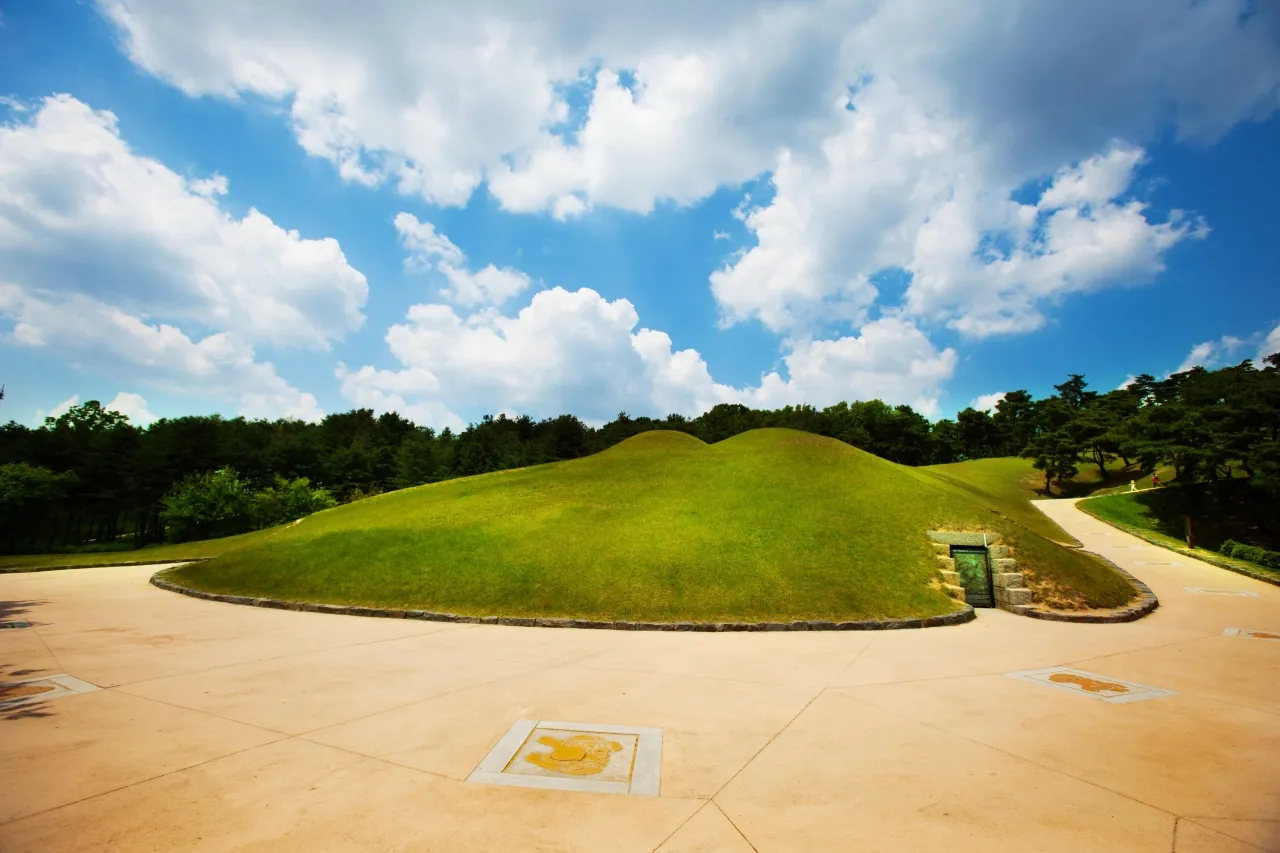
The tomb is also often mentioned as a site that reflects the refined culture and aesthetics of the Baekje royal family. By looking at the tomb structure, excavated artifacts, and the surrounding royal tomb complex together, visitors can naturally sense how sophisticated Baekje culture was.
This site becomes even more meaningful when visited together with other Baekje heritage sites in Gongju. While it is valuable on its own, connecting it with Gongju Fortress and the city’s historical routes helps you better understand the flow of the Baekje capital. For this reason, the Tomb of King Muryeong is not just a place to visit, but a central point in a Gongju historical travel itinerary.
Must-See Highlights at the Tomb of King Muryeong
The first highlight is the quiet atmosphere of the tomb complex. The area around the tombs feels calm rather than grand. Walking along the gentle hills and well-maintained paths gives a completely different experience from busy urban tourist spots.
The second highlight is the trace of Baekje royal culture. The site symbolically represents Baekje burial traditions and royal dignity. Even visitors unfamiliar with history can easily feel that this is directly connected to the Baekje royal family.
The third highlight is its status as a UNESCO World Heritage site. The Tomb of King Muryeong is recognized globally for its historical and cultural value. It is a great place to show that Korea’s world-class heritage is not limited to major cities but also exists in regional destinations.
Why It Is Essential in a Baekje Heritage Tour
Korea has many well-known attractions such as palaces, hanok villages, and traditional markets. However, the Tomb of King Muryeong leaves a different kind of impression. It is not overwhelming because of visual spectacle, but because it encourages deeper reflection.
Walking through the site naturally brings to mind that Baekje was not just an ancient kingdom, but a nation with its own refined culture and international connections. This makes it a meaningful destination not only for history enthusiasts but also for travelers who want to understand Korea more deeply.
For travelers used to Seoul or metropolitan-focused itineraries, this site offers a different perspective on Korea. The quiet atmosphere of Gongju combined with its historical depth makes it a memorable stop even within a one-day trip.
Places to Visit Together in Gongju
The Tomb of King Muryeong is even more rewarding when combined with other Baekje sites. Gongju Fortress is the most commonly paired location. Visiting both the tomb and the fortress makes it easier to understand the historical flow of the Baekje capital.
It also pairs well with Gongju’s hanok-style streets, local food, and museum routes. For travelers who find continuous historical visits tiring, adding a city walk or café stop after visiting the tomb creates a well-balanced itinerary.
We also recommend a one-day tour that connects these destinations: Baekje Royal Route One-Day Tour (Gongju, Buyeo, Iksan).
Visitor Information
As this is a historically significant site, it is best explored slowly rather than rushing through. Reading the information boards and exhibits together with the walk greatly enhances the experience.
It is recommended to check the latest operating hours and closing days before visiting, as details may vary by season and policy. The most accurate information can be found on the official Gongju tourism page.
Why It Is Impressive for International Travelers
This site is easy for international travelers to understand. Even though it appears simple and calm, key concepts such as “royal tomb,” “Baekje,” “World Heritage,” and “ancient Korea” are clear and easy to explain.
Another advantage is its simple layout. Visitors can explore without complex routes, making it accessible even for those unfamiliar with historical sites. When combined with Gongju Fortress or the city area, it creates a well-balanced day trip.
The Tomb of King Muryeong is different from flashy, consumption-driven tourist spots. Instead, it offers a depth that stays in memory long after the visit. This makes it a highly valuable destination for Korean history travel content.
Conclusion
The Tomb of King Muryeong in Gongju is a symbolic site where you can encounter the legacy of the Baekje royal family. While the space is quiet, the history and atmosphere it holds are profound. If you want to experience Baekje history, UNESCO heritage value, and the depth of Korean cultural travel, this is an excellent choice.
Rather than being a place you simply visit once, the tomb becomes a starting point for seeing Gongju differently. For this reason, it is confidently recommended for both first-time visitors and travelers interested in Korean history.

Leave a Reply
You must be logged in to post a comment.