

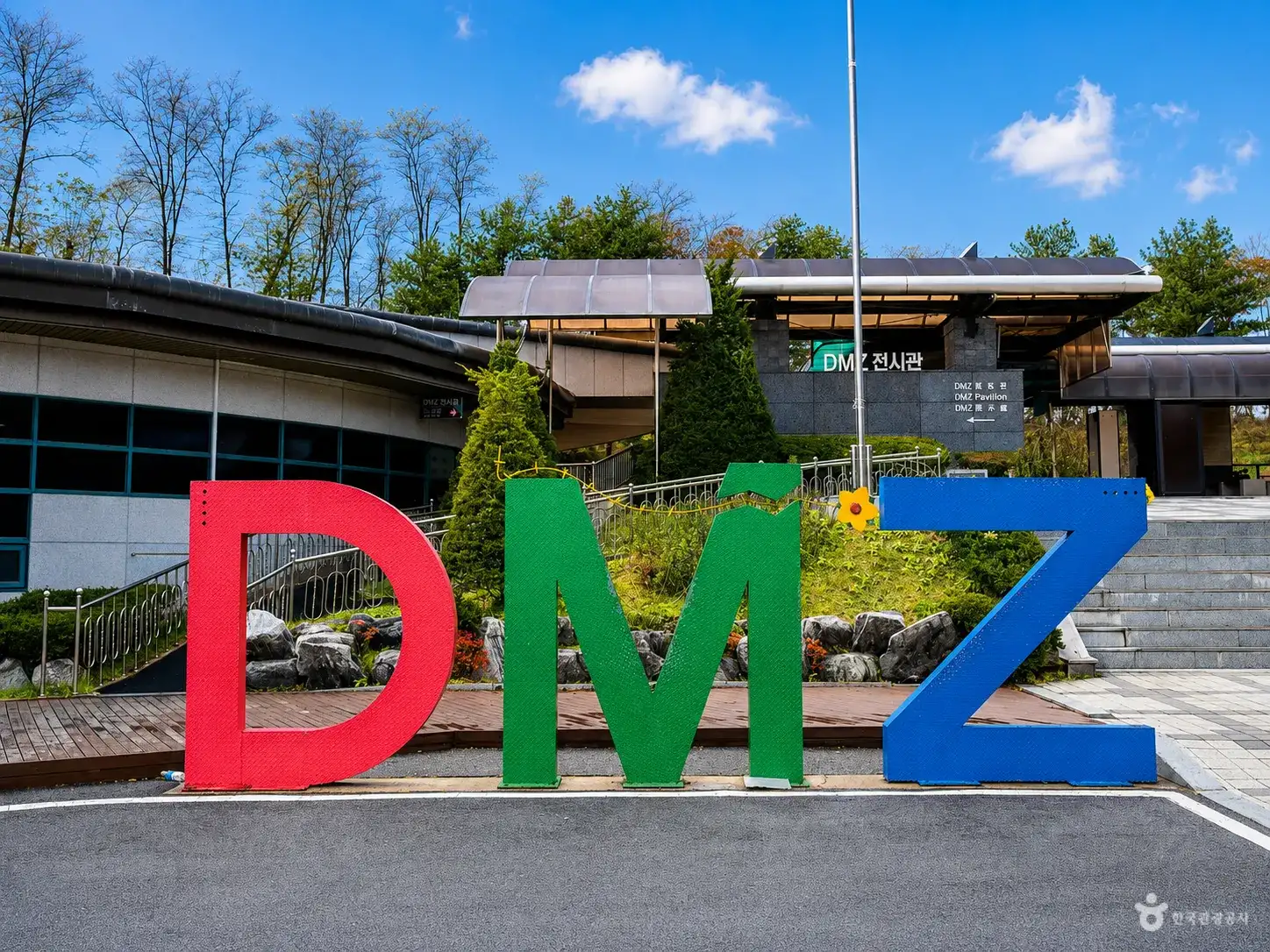
The Third Tunnel is one of the most striking places to visit in Paju’s DMZ area. It is not just a museum-style stop. Visitors actually go down into part of the tunnel, which makes the experience feel much more immediate and real. If you want to understand the reality of division on the Korean Peninsula, the Third Tunnel is one of the most meaningful places to include in your trip.
The Third Tunnel was discovered in 1978. It is known as a tunnel built for infiltration, and official tourism information describes it as 2 meters wide, 2 meters high, and 1,635 meters long. Visitors do not see the entire tunnel, but they can enter a section of it as part of the DMZ peace tourism route.
Why the Third Tunnel matters in Paju

The Third Tunnel feels different from many historical sites because it is an actual underground passage, not a reconstructed exhibit. That makes the visit more intense than simply reading signs or looking at displays. You are not just learning about the DMZ. You are physically entering one of its most symbolic spaces.
It is also important as part of the larger Paju DMZ route. The Third Tunnel is often visited together with Imjingak, Dora Observatory, and Dorasan Station. When these places are seen in one trip, the history and reality of the border area become easier to understand.
How the Third Tunnel visit works
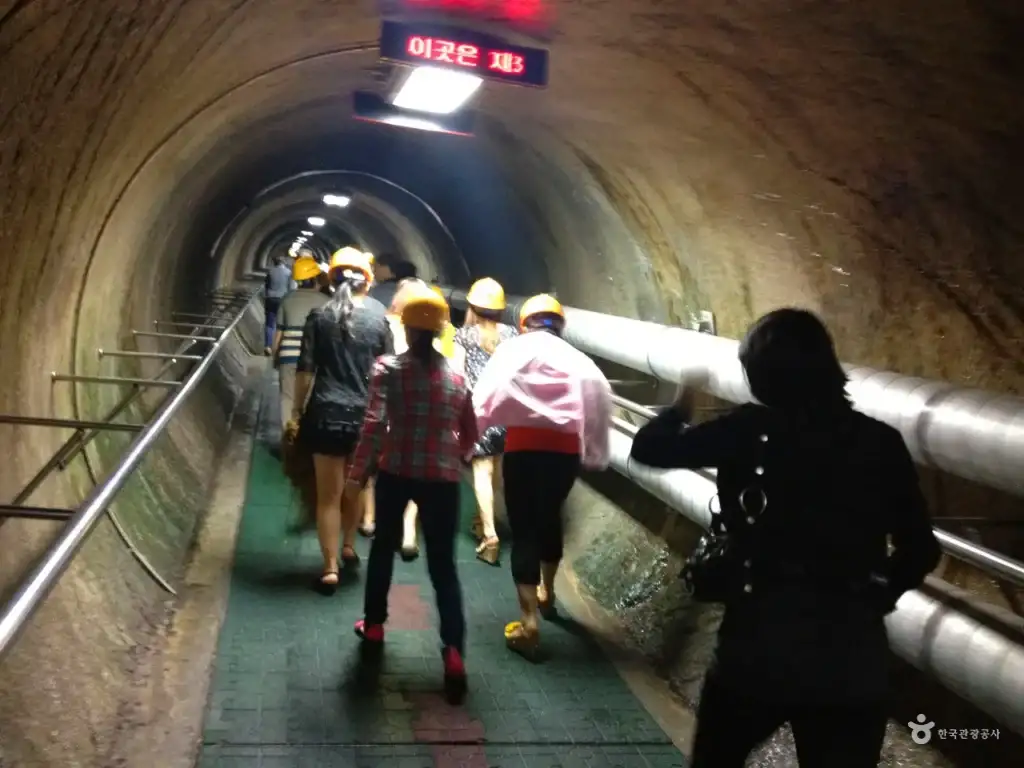
The Third Tunnel is not a place where visitors simply drive up and enter on their own. It is inside a controlled civilian area, so the visit is arranged through the DMZ Peace Tourism system. The usual process is to buy a ticket at Imjingak Tourist Area and then move by shuttle bus with the group.
ID is required. This is one of the most important things to remember. Visitors need an approved form of identification for ticketing and checkpoint inspection. Without valid ID, entry is not allowed.
Walking route or monorail route
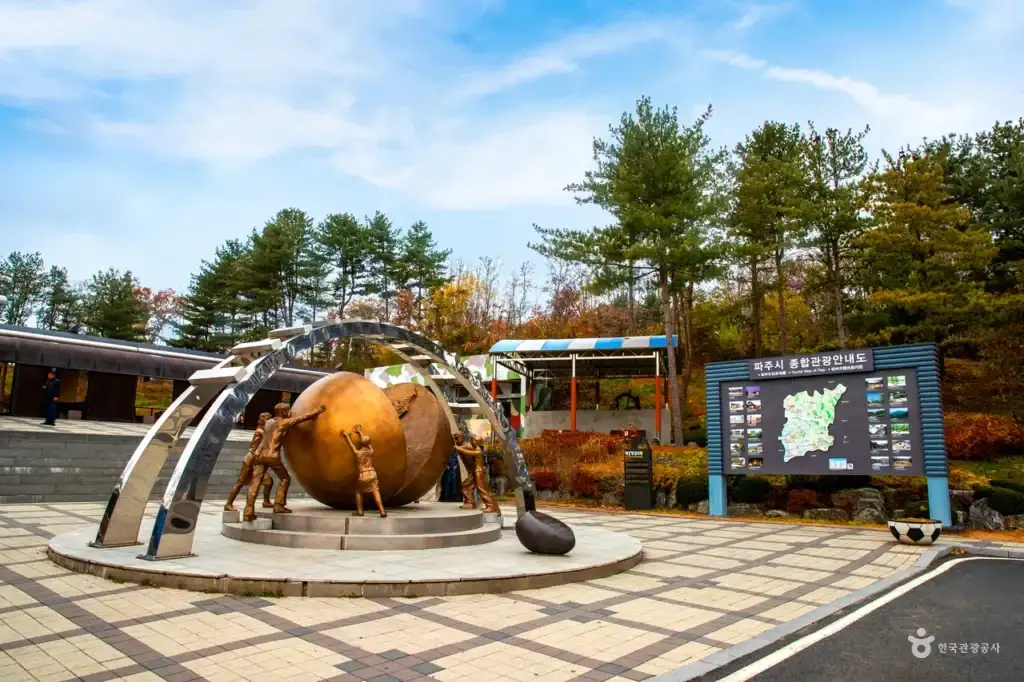
There are two main ways to enter the Third Tunnel area. One is the walking route. This means going down on foot and coming back up the same way. It can feel more physical than some visitors expect because there is a slope inside the access tunnel.
The other option is the monorail or lift-style access route. This can feel more convenient and less demanding. It is often the easier choice for visitors who want to save time or reduce physical effort. In both cases, the tunnel visit itself is relatively short, but the experience leaves a strong impression.
What the Third Tunnel feels like in person
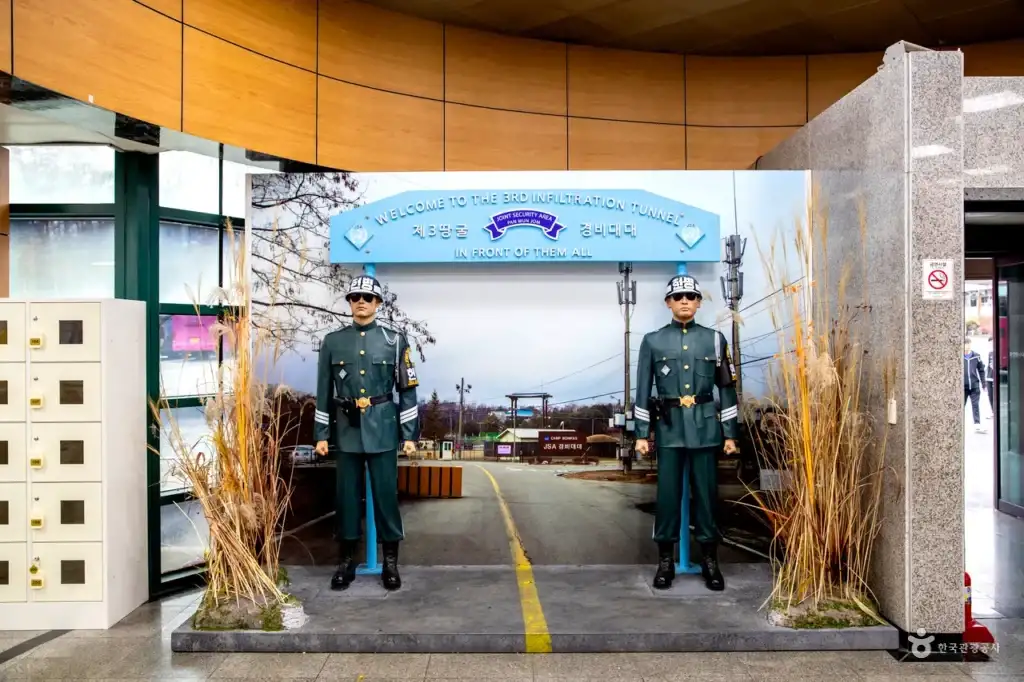
The mood changes once you go inside. The space is enclosed, the slope is noticeable, and the underground setting feels very different from the open landscape above ground. That contrast is part of what makes the Third Tunnel memorable. It does not feel like a typical sightseeing stop.
Another thing visitors should know is that photography is not allowed inside the tunnel. Phones and cameras must be left in a locker before entry. Because of that, the memory of the visit tends to stay with people more as a physical experience than as a photo stop.
A practical route for planning your DMZ tour
The most practical route is to start at Imjingak, buy a DMZ Peace Tourism ticket, visit the Third Tunnel, and then continue to Dora Observatory and Dorasan Station. This is one of the most common and efficient ways to see the Paju DMZ area.
If you are planning a day trip, it is better to think of the Third Tunnel as part of a connected route rather than a single short stop. The full DMZ shuttle course usually takes around three hours from departure at Imjingak to return.
Useful visitor information before you go
The Third Tunnel is located at 210-358 Je3ttanggul-ro, Gunnae-myeon, Paju-si, Gyeonggi-do. The contact number listed by official tourism information is +82-31-954-0303. Paju tourism guidance also notes that it is usually closed on Mondays and weekday public holidays, while Saturday, Sunday, Lunar New Year, and Chuseok visits may be available depending on the operating schedule.
The site may not be suitable for everyone. Official guidance notes that entry can be restricted for elderly visitors, people with mobility difficulties, and those with certain health conditions. Comfortable shoes are strongly recommended, especially if you choose the walking route.
It is also a good idea to check the latest operating notice before visiting. DMZ-related tourism can change depending on military conditions, weather, and daily operating rules.
Closing thoughts
The Third Tunnel is one of the most powerful places to visit in Paju. It is not simply a historical explanation. It is a real underground site that gives visitors a direct sense of the tension and reality of the DMZ. That is why it often leaves one of the strongest impressions in the entire Paju route.
If you are planning a history-focused or education-focused trip, the Third Tunnel is well worth including. It works especially well when combined with Imjingak, Dora Observatory, and other DMZ-related stops. Seen together, they create a much clearer picture of the border area and its history.

Leave a Reply
You must be logged in to post a comment.